
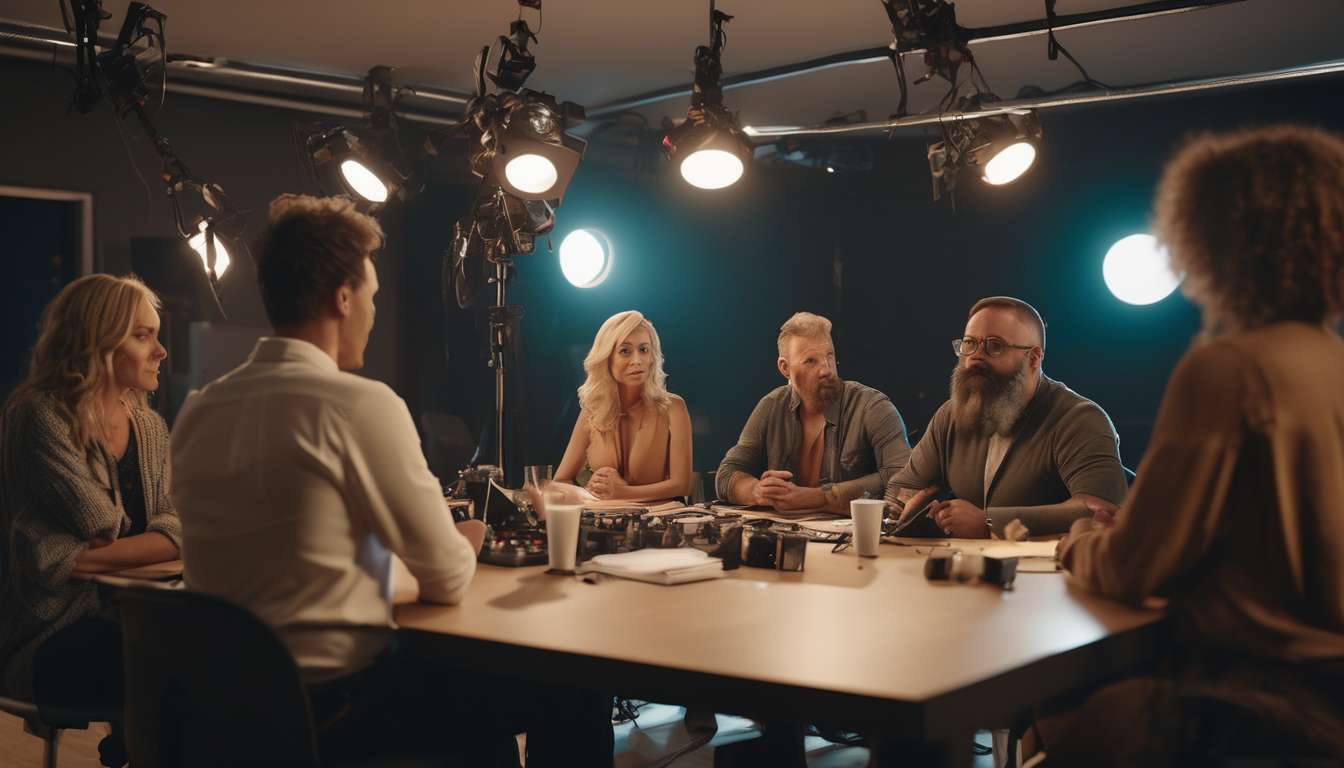
Just as chefs and surgeons rely on stringent protocols to protect clients and practitioners, the adult image industry equally benefits from rigorous workplace standards — a connection that is rarely acknowledged.
We approach this topic recognizing that sexual expression and professional safety are not mutually exclusive.
They intersect through consent frameworks, health screening, fair contracts, and transparent communication.
Drawing parallels with disciplines known for high safety expectations helps reframe expectations here.
Standardized processes can:
- reduce risk,
- build trust,
- elevate the work’s legitimacy.
Our perspective is informed by creators, producers, and advocates who demand accountability without erasing autonomy.
We will explore how adopting best practices from other sectors — from documented procedures to independent oversight — can address power imbalances and protect performers’ wellbeing.
This includes focusing on:
- physical health protections,
- mental health supports,
- equitable compensation structures.
By mapping these unexpected parallels, we aim to shift the conversation from stigma and isolation toward practical, industry-wide solutions that respect both artistry and human dignity.
Consent Frameworks
We establish clear, documented consent frameworks.
Key points:
- They outline who agrees to what, when, and how changes or revocations are handled.
- Consent documents are concise and readable, specifying activities, intended uses, distribution channels, and timeframes.
We make consent a shared, living practice.
Steps:
- Everyone signs the concise agreements.
- Explicit options for withdrawal and amendments are built in, so members can change their minds and still belong.
- Consent is tied to health screening results and scheduling only if individuals explicitly opt in; medical processes never override personal autonomy.
We protect data privacy.
Measures:
- Limit access to records.
- Encrypt stored data.
- Retain minimal information for the shortest necessary period.
We train teams to obtain and honor consent respectfully.
Training emphasizes:
- Asking clearly and listening actively.
- Documenting decisions without pressure.
- Recognizing cultural and language needs so no one feels excluded.
We review and publish consent practices.
Process:
- Regularly review practices with contributors.
- Incorporate feedback.
- Publish summaries of changes.
We hold participants accountable.
Why this matters:
- Belonging depends on predictable, respectful, and transparent consent processes.
Health Screening Protocols
We implement regular, standardized health checks and transparent reporting procedures to protect individual well‑being and keep productions safe.
We schedule routine health screening that’s clear, timely, and accessible so everyone knows expectations before stepping on set.
We require informed consent for each test and explain:
- what’s screened,
- why it matters, and
- how results will be used.
We treat results as confidential medical information and enforce strict data‑privacy practices:
- encrypted records,
- limited access, and
- retention schedules aligned with best practices.
We create a consistent process for raising and addressing concerns:
- performers and crew can raise concerns without stigma,
- concerns receive prompt follow‑up, and
- verified referrals are provided when needed.
We train coordinators to handle logistics respectfully and preserve autonomy:
- honor refusal rights,
- outline alternatives that protect everyone, and
- manage follow‑up in a nonpunitive way.
By standardizing protocols and protecting medical data, we foster trust and a shared sense of responsibility.
That consistency helps our community feel supported, respected, and secure when participating in productions.
Mental Health Support
We prioritize accessible, stigma‑free mental health resources and crisis supports so performers and crew can get timely, confidential help when they need it.
We build networks of counselors, peer supporters, and trauma‑informed clinicians who understand industry realities and respect consent in every therapeutic interaction.
We make referrals that align with each person’s preferences and cultural needs so everyone feels seen and safe.
We integrate mental health check‑ins alongside health screening routines to normalize emotional care without making anyone feel singled out.
We protect data privacy rigorously.
- Counseling notes, intake forms, and appointment records are stored separately from production files.
- Records are shared only with explicit permission.
- We offer options for anonymous support when privacy is paramount.
We offer clear pathways for short‑term crisis response and ongoing care with options tailored to urgency and preference.
We commit to training crew and performers in recognizing distress signs and responding empathetically so our community sustains safety, dignity, and belonging while prioritizing mental well‑being.
Fair Contracting Practices
Transparent, standardized contracts that define expectations clearly.
- We will use transparent, standardized contracts that clearly define rates, scope of work, rights, and dispute resolution, so performers and crew know exactly what to expect.
Co‑created terms that center consent and timelines.
- We will co-create terms that honor consent, explicitly outline how consent can be withdrawn, and set clear timelines for deliverables and payment.
Documented health screening protocols and cost responsibilities.
- We will require documented health screening protocols and specify who bears costs and how results are stored and shared.
Data privacy protections and record‑keeping rules.
- We will include clauses that protect data privacy, detailing what personal information is collected, retention periods, and access rights.
Dispute resolution that prioritizes mediation and community remedies.
- We will build dispute resolution pathways that prioritize mediation and community‑based remedies before escalation to formal proceedings.
Readable, accessible contracts with plain‑language summaries.
- We will ensure contracts are readable, available in multiple languages, and accompanied by plain‑language summaries so everyone can understand obligations and protections.
Fair cancellation, overtime, and compensation terms.
- We will commit to fair cancellation, overtime, and compensation terms that reflect industry realities and respect contributors’ livelihoods.
Regular reviews and a clear amendment process.
- We will review agreements regularly with performer and crew representatives and create a clear amendment process so contracts can evolve with our community’s needs.
On-Set Safety Measures
We’ll establish clear on‑set safety protocols that address physical risks, emotional support, and emergency procedures so everyone knows their roles and protections.
We set boundaries around consent at every step, using verbal check‑ins and written affirmations so performers feel heard and respected.
We require routine health screening before shoots and create a nonjudgmental process for sharing results; that keeps our team and performers confident in mutual safety.
We assign a trained safety coordinator on set to manage immediate needs, debrief after intense scenes, and coordinate medical care or counseling if anyone requests it.
We provide private rest areas, flexible scheduling to reduce fatigue, and clear incident‑reporting policies that protect workers from retaliation.
We limit unnecessary sharing of personal information and follow robust data privacy practices for storing medical and consent records, ensuring access is restricted to authorized personnel.
We foster a culture where everyone can raise concerns, pause a scene, and expect prompt, empathetic responses, so belonging and safety are inseparable.
Data Privacy Standards
We will protect personal and medical information with strict access controls, encrypted storage, and clear retention and deletion policies so performers and staff can trust how their data is handled.
We will require informed consent for any collection, use, or sharing of records, and we will document permissions in ways people can understand and revisit.
We will limit access to health screening results and identifiers to only those with a legitimate need, and we will log access so anyone can see who viewed their data.
We will secure data in transit and at rest, use strong authentication, and review vendor practices before sharing anything externally.
We will provide clear timelines for retention and automatic deletion, and we will give people tools to correct inaccuracies or revoke consent.
We will train staff on confidentiality, incident reporting, and respecting boundaries so everyone feels included and safe.
We will respond promptly to breaches, notify affected parties, and continuously audit our practices to uphold transparent, accountable data privacy that centers performers’ dignity and collective trust.
Independent Oversight Bodies
Establish independent oversight bodies with diverse representation to review policies, investigate complaints, and ensure accountability across the industry.
Staff panels with a range of stakeholders so everyone feels seen and heard:
- Performers
- Producers
- Health experts
- Technologists
- Advocates
Create clear procedures for reporting concerns about consent, safety, and working conditions, and guarantee timely, impartial investigations.
Require standardized documentation of health screening protocols and ensure results are handled with strict data privacy safeguards to protect identities and medical information.
Publish anonymized findings and policy recommendations so the community learns and improves together, cultivating trust rather than fear.
Set benchmarks for training, dispute resolution, and restorative practices that center dignity and inclusion:
- Accessible training programs
- Transparent dispute-resolution processes
- Restorative practices prioritizing dignity
Maintain secure channels for confidential reporting and regular audits of platform compliance.
Facilitate community feedback loops so policies evolve with lived experience.
By embedding diverse voices in oversight, build accountable systems that honor consent, protect health, and respect data privacy while fostering belonging across the industry.
Compensation Transparency
We should require clear, standardized pay disclosures so performers and workers can compare rates, understand deductions, and negotiate from an informed position.
We believe transparency builds trust and collective security. Therefore, we call for published rate ranges, itemized fee breakdowns, and written contracts that outline who pays for costumes, travel, health screening, and other job-related costs.
We want systems that protect consent by making payment terms explicit before any work begins, preventing coercive surprises.
We also insist that platforms and producers adopt consistent reporting of bonus structures, revenue shares, and timeframes for payment, so everyone feels included in the economic conversation.
Data privacy must be integral. Payroll systems should limit access to sensitive personal and financial information and allow workers control over what’s shared.
When we standardize disclosure, respect consent, require health screening cost transparency, and protect data privacy, we create workplaces where people belong and can meaningfully advocate for fair compensation.
How do performers build and maintain a professional reputation across different platforms and among producers?
Consistency in branding, communication, and boundaries is essential.
- Maintain a unified visual and verbal identity across platforms (photos, bios, tone).
- Set and enforce clear personal boundaries and communicate them consistently to colleagues and producers.
Show up on time and meet commitments to build a reputation for reliability.
- Honor schedules, deadlines, and booking agreements.
- If changes are necessary, inform affected parties promptly and professionally.
Cultivate clear, respectful messages and reliable content schedules.
- Use concise, professional language in all interactions.
- Publish content on predictable timelines so producers and audiences know what to expect.
Encourage mutual support and share referrals to expand opportunities.
- Actively recommend trusted collaborators and return referrals when appropriate.
- Build reciprocal relationships with peers and producers through cooperative behavior.
Collect and showcase reviews and testimonials to demonstrate proven performance.
- Request feedback after shows or projects and curate positive testimonials.
- Display reviews on relevant platforms and portfolios to reinforce credibility.
Adapt to platform norms while keeping core values visible.
- Learn each platform’s expectations and tailor content and interactions accordingly.
- Preserve your values and boundaries even as you adjust format and tone for different channels.
Protect privacy and enforce consent to sustain trust.
- Keep private communications and sensitive information secure.
- Require and document consent for recordings, collaborations, and public sharing.
Overall: combine reliability, clear communication, mutual support, documented endorsements, platform-aware adaptation, and strong privacy/consent practices to build and maintain a professional reputation among producers and across platforms.
What are recommended strategies for entering the adult image industry safely for the first time (e.g., finding trusted contacts, verifying opportunities)?
Research reputable agencies and professionals first.
- Look for agencies with clear contracts, professional websites, and verifiable track records.
- Join peer groups and online forums where performers share experiences and referrals.
- Ask experienced performers for referrals to agents, producers, and photographers.
Verify opportunities before committing.
- Insist on written contracts that specify scope of work, compensation, usage rights, and duration.
- Confirm identities and credentials with ID checks and ask for verifiable references.
- Conduct independent background research on companies, producers, and collaborators (web searches, social media, reviews).
Prioritize safety during initial meetings and shoots.
- Meet in public places first or bring a trusted chaperone for early meetings.
- Prefer professional studios with established safety protocols and staff on site.
- Share your location with a trusted contact and set check-in times.
Protect your privacy and finances.
- Keep personal contact information, home address, and identifying details private until you fully trust collaborators.
- Use stage names, separate business emails, and dedicated phone numbers when possible.
- Use secure, traceable payment methods and confirm payment terms before work begins.
Establish consent and clear boundaries up front.
- Communicate explicit boundaries and what you will or will not do on camera in writing.
- Make sure consent is ongoing; you can stop or change terms during a shoot.
- Include wardrobe, makeup, and release-of-rights specifics in contracts.
Trust your instincts and prioritize well-being.
- If something feels off, pause, ask questions, or decline the opportunity.
- Seek peer support or professional advice if you encounter pressure, coercion, or legal questions.
- Maintain access to mental-health resources and consider consulting a lawyer for contract review.
If you’d like, I can help draft a simple contract checklist, a list of reputable peer forums, or sample questions to ask agents and producers. Which would you prefer?
How do creators manage cross-border work where laws, payment systems, and platform policies differ?
We research local laws, platform terms, and payment options before accepting projects.
We build trusted networks and use contracts that specify jurisdiction and payment protections.
We pick platforms with clear compliance and payout mechanisms.
We use secure banking, reputable payment processors, and consider crypto where legal.
We prioritize consent, privacy, and escrow or milestone payments.
We consult local counsel when rules are unclear.
Conclusion
You’ve seen how clear consent frameworks, routine health screenings, and robust mental health support create safer workplaces.
When contracts are fair, on-set safety is prioritized, data privacy is protected, and independent oversight exists, performers can work with dignity and confidence.
You deserve transparent compensation and enforceable standards that respect your autonomy and wellbeing.
Keep advocating for these practices—collective commitment turns guidelines into real protections and sustainable, ethical industry norms.